From Persian Sands to Rajasthani Skies: The Epic Journey of Azure Art
Imagine a ceramic art so unique that it doesn't use a single pinch of clay.
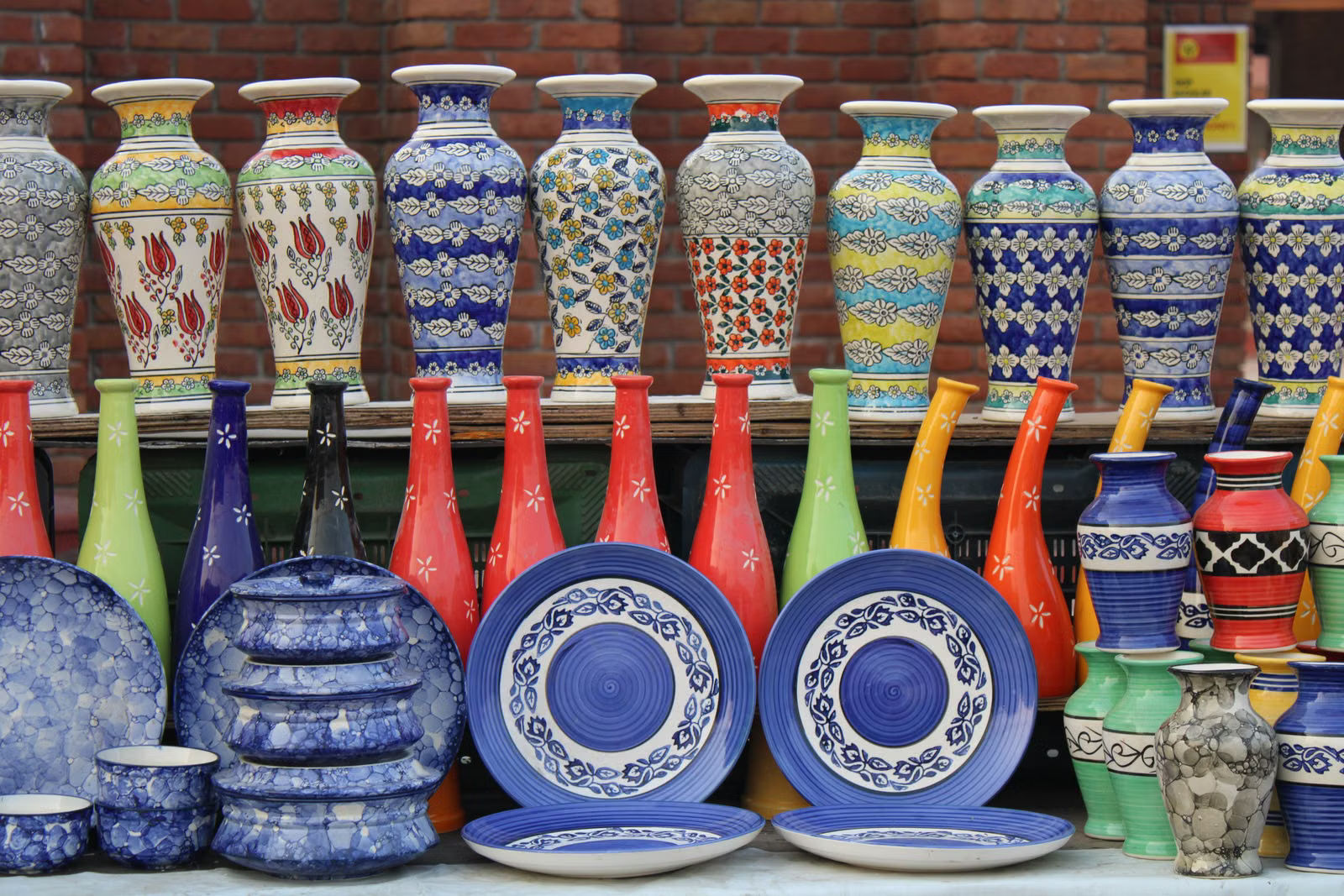
Step into the world of Jaipur Blue Pottery—a breathtaking, centuries-old craft defined by its brilliant cobalt blues, striking turquoise hues, and intricate hand-painted motifs. More than just home decor, each piece is a slice of royal history, a testament to human patience, and a stunning statement of slow, conscious luxury.
There is a moment of pure magic that happens inside the kilns of Jaipur.
Before the fire is lit, the objects tucked away inside look dull and uninspiring—coated in a chalky, greyish paste and painted with muted, earthy minerals. But as the heat rises, a spectacular transformation takes place. The fire melts the glass, fuses the quartz, and wakes up the minerals. When the kiln doors finally open, what emerges is nothing short of breathtaking: a sea of brilliant cobalt blues, glowing turquoises, and glossy, glassy finishes that capture the light like trapped sunshine.
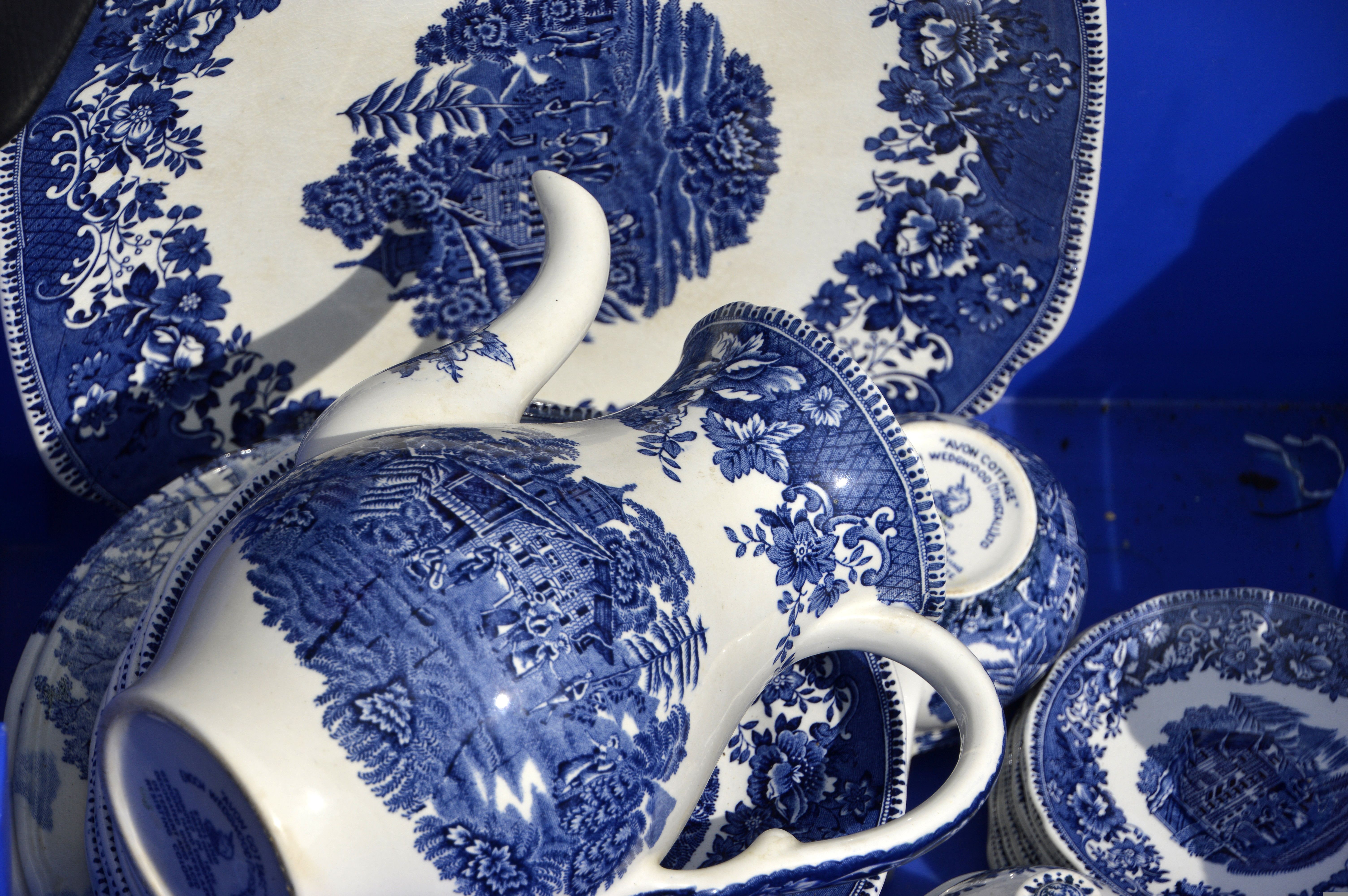
This is the world of Blue Pottery, an art form that defies the very definition of ceramics.
When we think of pottery, we inevitably think of clay, spinning wheels, and messy hands. But Blue Pottery is one of the only ceramic arts in the world that uses absolutely no clay.
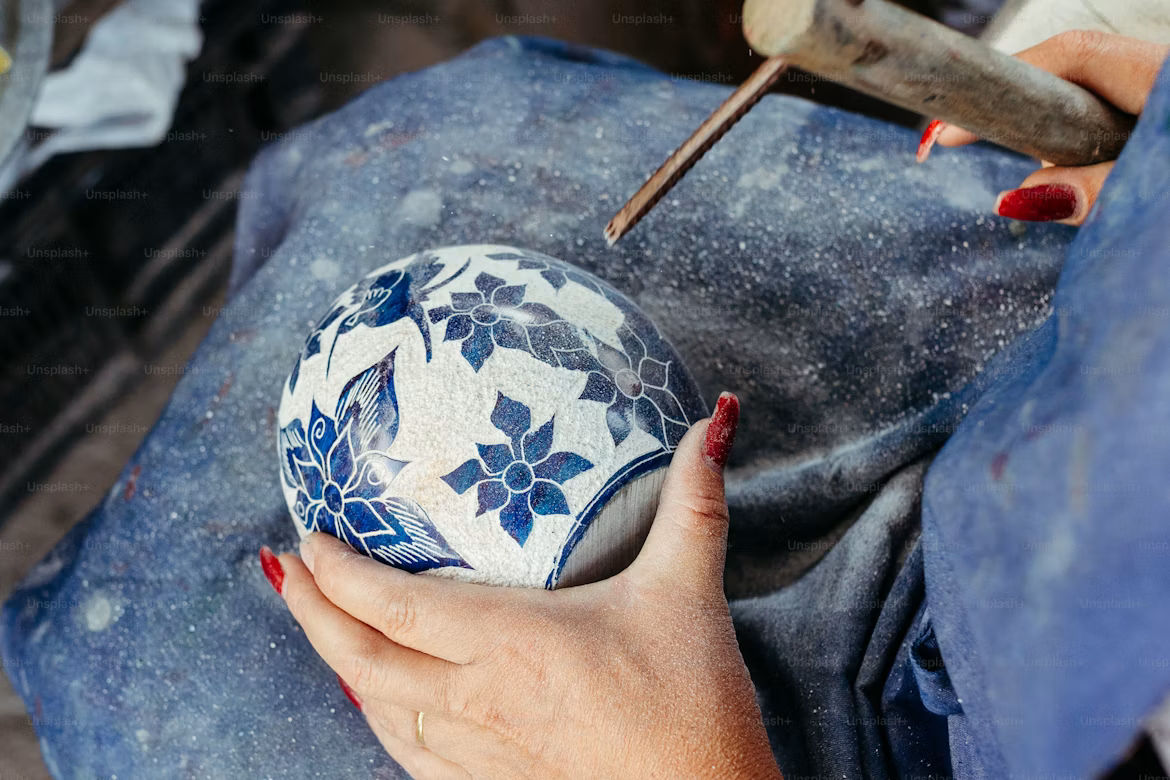
Instead, artisans brew a unique, dough-like mixture of quartz powder, raw glass, borax, and gum. Because this mixture lacks the elasticity of regular clay, it cannot be spun on a potter's wheel. Every single vase, bowl, and bead must be painstakingly pressed into molds by hand, dried under the fierce Rajasthani sun, and meticulously smoothed out with stones and sandpaper.
It is a slow, meditative process. A single piece can take weeks to complete, passing through the hands of master craftsmen who treat the material not as mud, but as a canvas for the soul.
From Persian Courts to the Pink City
While Blue Pottery is synonymous with the pink city of Jaipur today, its roots actually trace back to Persia. The technique travelled along the Silk Road and entered India through the grand courts of the Mughal Empire in the 19th century, where it found a passionate patron in Maharaja Sawai Ram Singh II. He was so enchanted by the art that he sent local craftsmen to Delhi to learn the technique, permanently planting its roots in the heart of Rajasthan.
When you buy a piece of Blue Pottery, you aren't just buying a vase or a plate; you are keeping a royal, centuries-old legacy alive.
How It's Made
Blue Pottery is created through a painstaking, multi-step hand-molding process.
The secret lies in the "dough." Artisans blend quartz powder, raw glaze, glass cullet, borax, and water to create a unique paste.
Take it home
Work in the Blue Pottery tradition
Find handmade Blue Pottery pieces by the artists keeping this tradition alive.
Artists keep 96.5% of every saleThe Journal, in your inbox
Don’t miss the next story
New maker profiles, art-form deep-dives, and the occasional dispatch from India’s studios — straight to your inbox.