


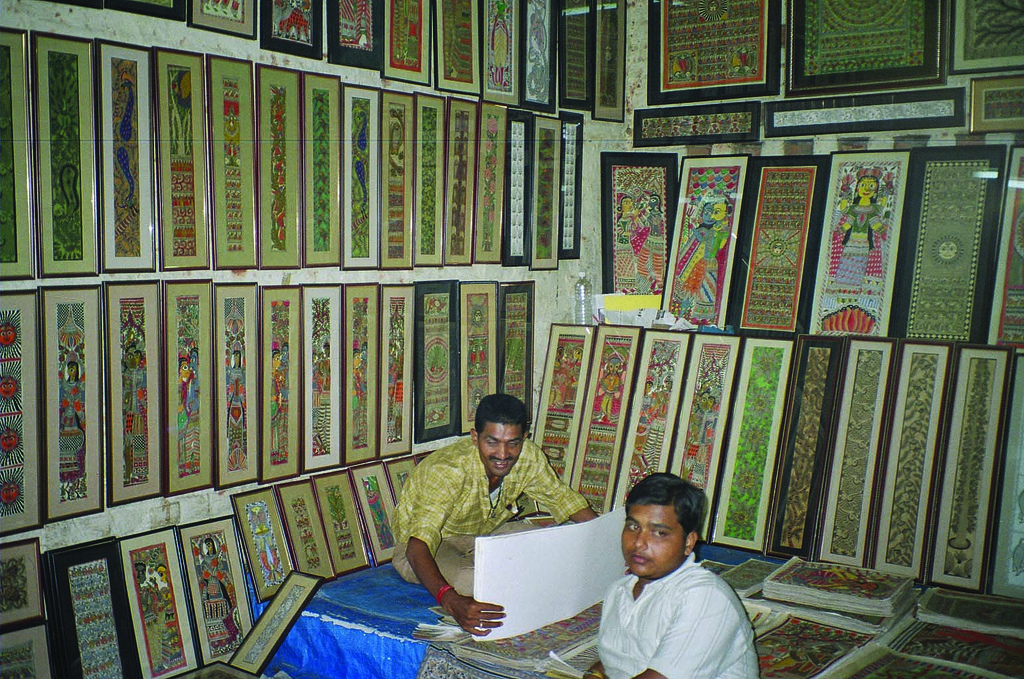
Lines of Devotion: The Living Canvas of Mithila
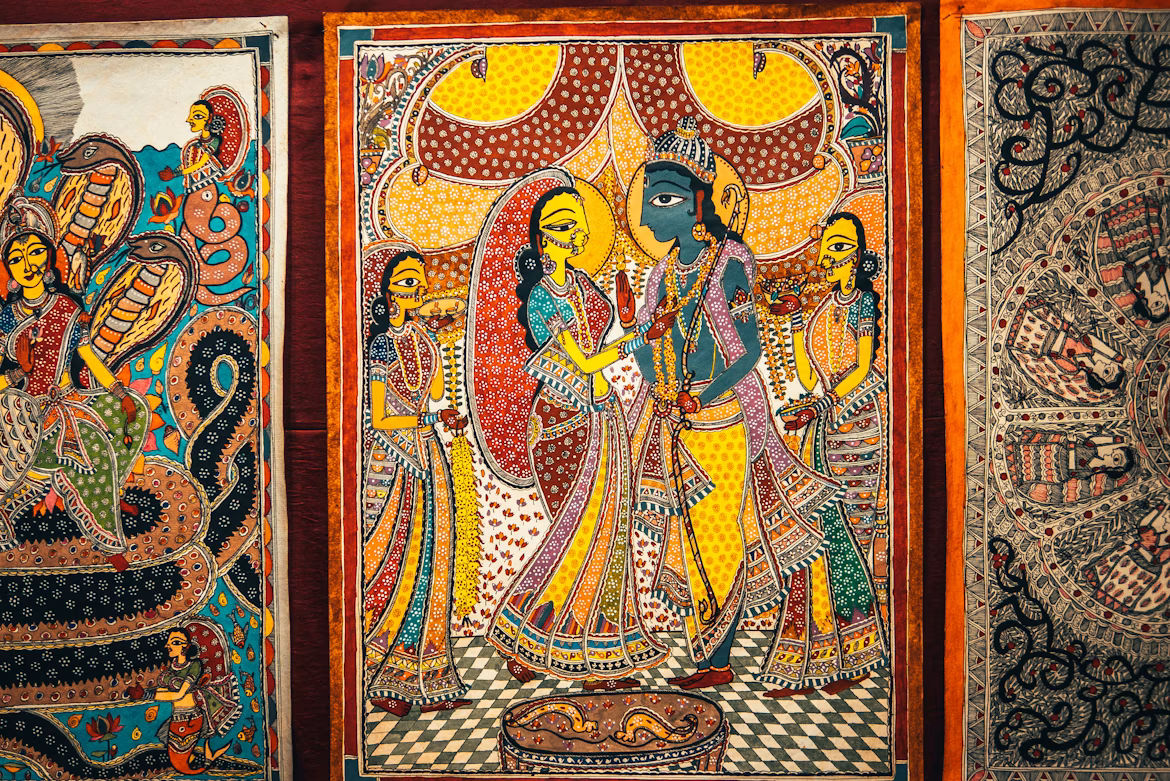
In the Mithila region—spanning northern Bihar and parts of neighbouring Nepal—art was never historically created for museums or art markets. It existed on the freshly plastered mud walls of village homes, painted as a domestic ritual to invite blessings, mark sacred rites of passage, and preserve cultural memory. Intricate lines, striking eyes, and vivid colours tell stories thousands of years old. This is Madhubani art.
Today, Madhubani painting (or Mithila painting) holds a prestigious Geographical Indication (GI) status and occupies space in global art galleries. Yet beneath its international fame lies a multi-layered tradition: an interplay of mythology, caste, gender, socio-economic resilience, and sacred geometry.
History & Origins
Popular tradition traces the origins of Madhubani art (literally translating to "Forest of Honey”) to the ancient epic Ramayana. Legend has it that King Janak commissioned local artists to decorate his entire kingdom with paintings to celebrate the wedding of his daughter, Sita, to Lord Rama.
For centuries, this art form remained a well-kept secret—painted almost exclusively by women on the freshly plastered mud walls of their homes during weddings, festivals, and major life events.
What makes it Unique?
You don't need to be an art historian to spot a Madhubani painting. Its signature style is instantly recognisable through a few distinct characteristics:
· No Empty Spaces: Artists abhor blank gaps. Any empty space is filled with flowers, birds, or geometric patterns.
· Double Lines & Expressive Features: Figures are outlined with strong double lines and feature large profile eyes and prominent noses.
· Natural Pigments: Colours were traditionally sourced from nature—soot for black, turmeric for yellow, indigo for blue, and plant extracts for red.
· Handmade Tools: Instead of standard brushes, artists traditionally use bamboo twigs, matchsticks, nib pens, or their fingers.
Historically, artists worked without commercial brushes, using bamboo twigs wrapped in cotton, matchsticks, or nib pens. The surface (paper or cloth) was often treated with a mixture of cow dung and water to bind colours and preserve the canvas.
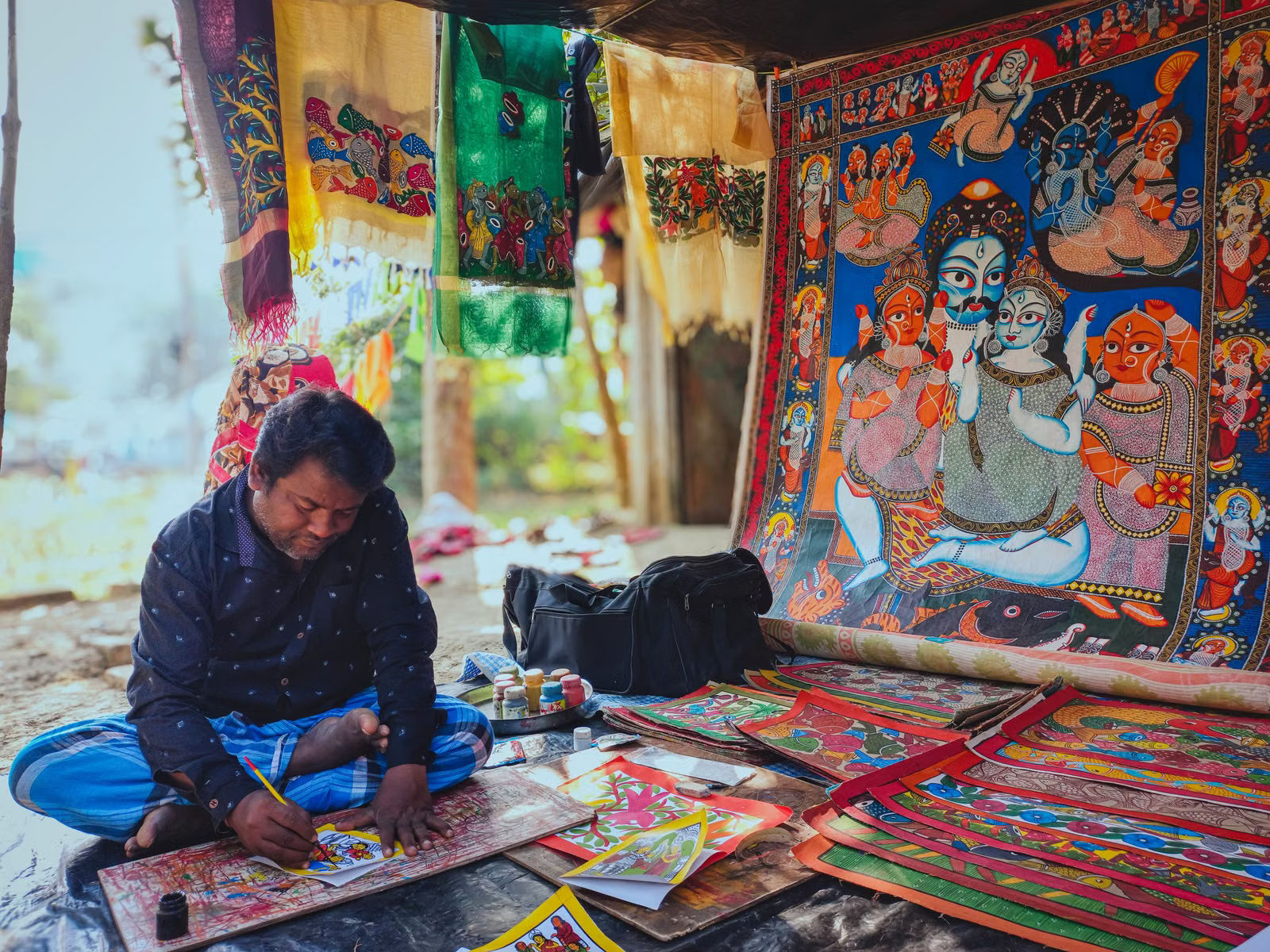
Over time, Madhubani evolved into five unique artistic styles:
· Bharni: Bold outlines filled with bright, solid colours.
· Kachni: Intricate line-work and fine hatching instead of colour fills.
· Tantrik: Symbol-heavy imagery depicting sacred geometry and devotional themes.
· Godna: Inspired by traditional body tattoo patterns using repeating geometric motifs.
· Kohbar: Traditionally painted on wedding chamber walls, rich in symbols of fertility and love (like lotus flowers, bamboo, and fish).
Deep Symbolism: Faith, Nature, and Daily Life
Every motif in Madhubani serves a purpose.
- Mythological Deities: Scenes feature gods like Krishna, Rama, Shiva, Durga, and Saraswati.
- Nature & Cosmos: Elements like the Sun, Moon, and Tulsi plant represent energy, while peacocks, elephants, and fish symbolise luck, royal grace, and fertility.
- Social Life: Paintings also capture royal court scenes, village festivals, and everyday domestic tasks.
Every element has a different meaning
· Lotus (Kamal): Feminine power, purity, divine birth, and the expanse of the universe.
· Fish (Matsya): Fertility, abundance, good fortune, and the flow of life.
· Bamboo (Vamsha): Lineage, strength, continuity, and masculine vitality.
· Peacock (Mayur): Divine love, romantic devotion, and grace.
· Sun & Moon: Cosmic balance, preservation, time, and eternal energy.
How to Care for and Preserve Madhubani Art
Taking proper care of Madhubani art depends heavily on whether the piece is traditional (made on handmade paper or canvas using natural/acrylic pigments) or on textiles (like sarees, dupattas, or wall hangings).
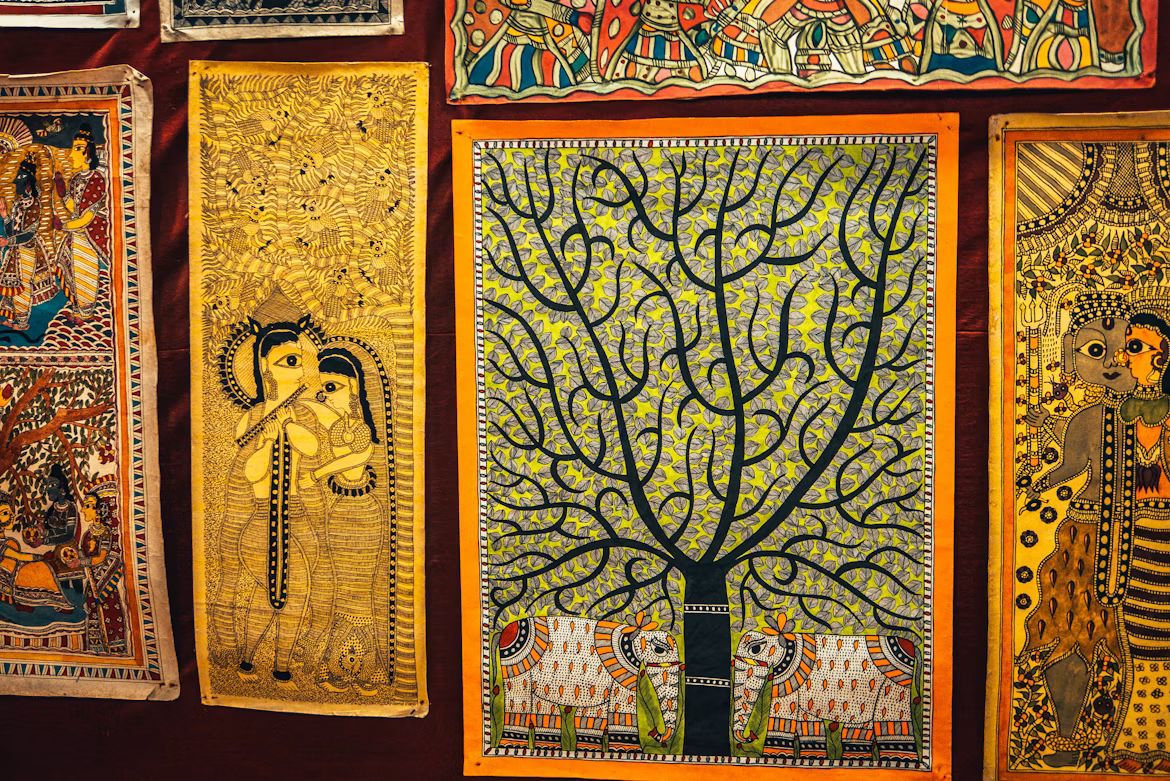
Here is a guide to preserving Madhubani artwork to ensure its colours and delicate details stay vibrant for years:
Paper & Canvas Paintings
If you own an original Madhubani painting on handmade paper, canvas, or silk paper, protection from moisture and light is your main priority.
Framing is Essential
Use UV-Protective Glass or Acrylic: Direct sunlight causes natural dyes and watercolors to fade over time. UV-filtering glass protects the colours.
Use a Matboard (Mount): Always frame paper paintings with a matboard (pass-partout). This creates a space between the glass and the paper, preventing moisture buildup from sticking the artwork to the glass.
Keep Away from Moisture & Humidity:
Avoid hanging paper paintings near bathrooms, kitchens, or damp walls (especially during monsoon seasons). Humidity can cause paper warping or mould growth (foxing).
Avoid Direct Sun & Heat
Hang the artwork on an interior wall away from harsh, direct sunlight or direct heat sources like lamps and radiators.
Cleaning
Never use liquid cleaners, damp cloths, or chemical sprays on framed art. Gently dust the frame and glass with a dry micro-fibre cloth.
Madhubani on Textiles (Sarees, Dupattas, Fabrics)
Hand-painted Madhubani textiles require delicate handling to avoid breaking the painted lines or causing color bleeding.
Dry Clean First: Always dry clean a hand-painted Madhubani garment for its first few cleans—especially if natural dyes were used.
Gentle Hand Washing (If safe):
o If the fabric allows hand washing, use cold water and a mild, pH-neutral liquid detergent (or soap nuts/reetha).
o Do Not Soak: Wash quickly without soaking the painted areas for extended periods.
o Do Not Scrub or Wring: Scrubbing will crack or rub off the line work. Gently squeeze out excess water.
Drying: Dry the garment in the shade, upside down or flat. Never hang hand-painted fabric in direct sunlight, as it will dull the colours rapidly.
Ironing
. Iron on the Reverse Side**:** Never place a hot iron directly on top of the painted surface, as heat can melt or distort acrylics/binders.
. Use low-to-medium heat on the back of the fabric, or place a cotton press cloth over the painting.
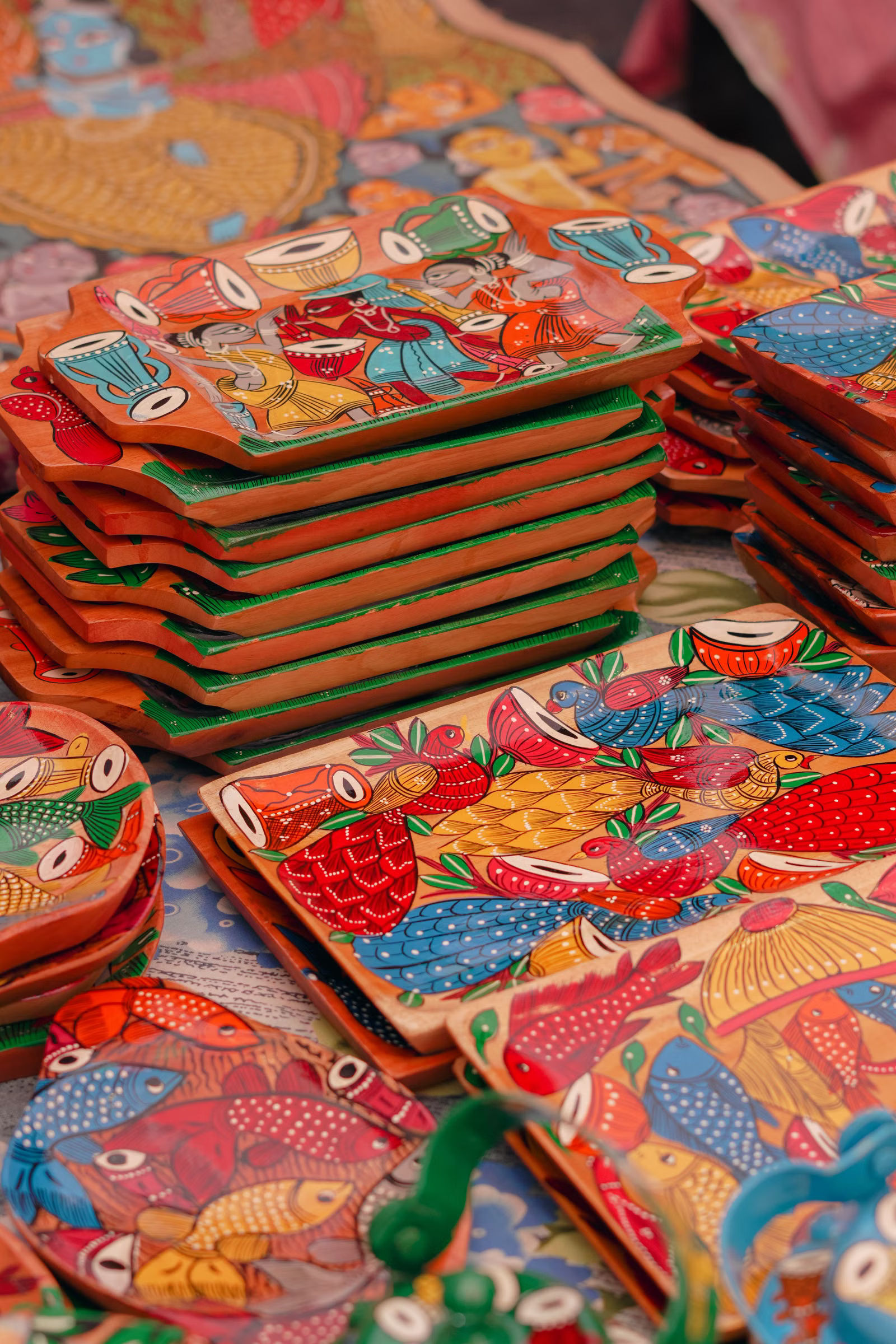
Storage Tips for Unframed Art & Textiles
· Unframed Paper Art: Store flat inside acid-free folders or between sheets of butter paper (tracing paper). Do not roll tight paper paintings, as the paint lines might crack along the folds.
· Textiles: Fold the garment with tissue paper or butter paper layered inside the folds so painted surfaces don't stick to each other. Store in breathable cotton bags, not sealed plastic bags.
Madhubani in the Modern World
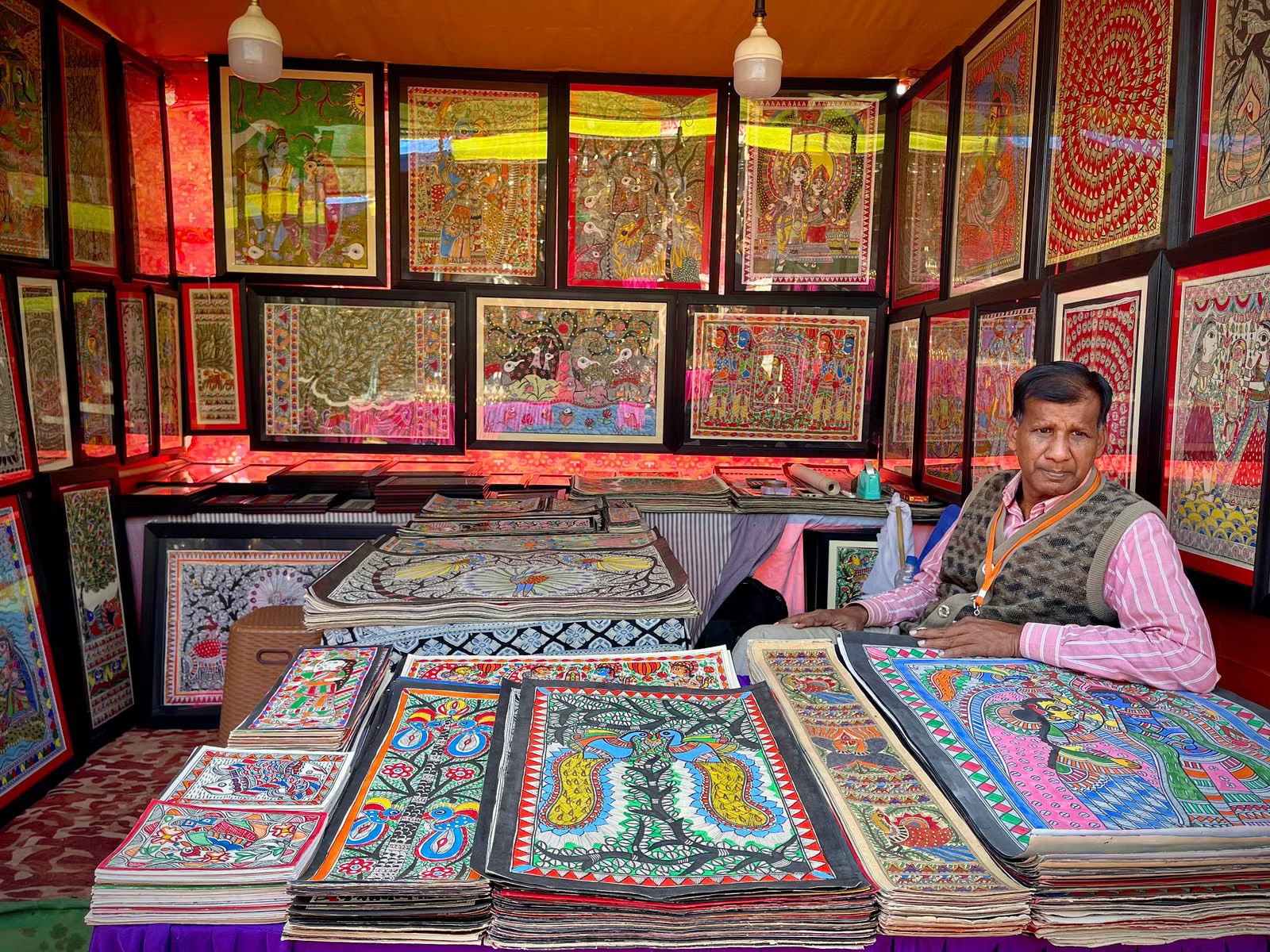
Madhubani provided rural women with financial independence and social capital. Trailblazers like Ganga Devi, Sita Devi, Baua Devi, and Godavari Dutta earned national honors (including Padma Shri awards) and international acclaim.
Today, commercialisation has transformed Madhubani into a powerful tool for social and financial empowerment for rural women. While artists now use modern paper and acrylics, the soul of the craft remains intact. You can find these ancient motifs everywhere—from high-fashion sarees and home decor to large public murals at railway stations.
It remains a living art form: a colourful bridge connecting ancient mythology to modern life.
'%2F%3E%3C%2Fsvg%3E)
'%2F%3E%3C%2Fsvg%3E)
'%2F%3E%3C%2Fsvg%3E)